

















Panel Series
Red light therapy (photobiomodulation) uses specific wavelengths of red and near-infrared light to stimulate cellular energy production through mitochondrial pathways. Our database of 10,000+ peer-reviewed studies documents effects across skin health, muscle recovery, inflammation, brain function, hair growth, and more.
Key Takeaways:
-
Red light therapy is safe for facial use and supports healthy skin when used correctly.
- Consistency matters most; visible improvements build over weeks, not overnight.
- Choosing the right wavelength red light therapy device and following proper session guidelines delivers the best results.
Red light therapy is one of the most studied non-UV light treatments for skin rejuvenation, and when used correctly, it’s gentle, accessible, and beginner-friendly.
In this guide from Mito Red Light, we’ll break down what red light therapy actually is, how it interacts with facial skin at a cellular level, and how to choose the right device for your skin goals.
What Is Red Light Therapy?
Red light therapy (also called LED light therapy, low-level light therapy, or photobiomodulation) is a non-invasive treatment that uses specific wavelengths of red and near-infrared light to support cellular repair and regeneration.
It first emerged in the 1960s during NASA research and has since made its way into dermatology clinics, med-spas, and now at-home skincare routines thanks to FDA-cleared consumer devices.
Unlike UV light, red light therapy doesn’t tan, burn, or damage the skin. Instead, it delivers gentle, low-level light that your cells can actually use, making it a popular option for people who want skin-supportive treatments without downtime, needles, or irritation. In the skincare world, it’s often applied to the face to support overall skin health, calm visible stress in the skin, and encourage healthier-functioning cells over time. If you want the bigger picture, read Red Light Therapy for Skin.
How Does Red Light Therapy Work on Skin?
When red and near-infrared wavelengths (typically 630-700nm) reach the skin, they’re absorbed by the mitochondria, your cell’s energy center. This stimulates cytochrome c oxidase and increases ATP production (the energy currency your cells run on). More energy means cells can function, repair, and renew themselves more efficiently, which is why people use red light therapy for skin quality and appearance.
This process is known as photobiomodulation, using light to spark biological changes like improved cellular turnover and tissue repair without causing damage. Increased circulation brings more oxygen and nutrients to the skin, while collagen-building activity ramps up beneath the surface. That’s the mechanism behind why many people reach for red light therapy when they want a smoother, brighter, more balanced-looking complexion.
What Are the Benefits of Red Light Therapy for the Face?
Red light therapy has become a go-to skincare tool for people who want visible results without irritation or downtime.
When used consistently, many users report smoother, brighter, more even-toned skin. In clinical settings, over 90% of participants experienced softer skin, reduced redness, and improved texture after regular facial RLT sessions. Because the wavelengths support cellular repair rather than exfoliate or strip the skin, it can be a gentle option even for sensitive or reactive skin.
People also reach for red light therapy to support acne-prone skin, fine lines, and signs of photoaging. Studies suggest it can reduce inflammation, soften the appearance of wrinkles, and help calm breakouts, all while supporting the skin barrier instead of stressing it.
While results look promising, scientists are still studying optimal routines and dose-response.
Are There Side Effects of Facial Red Light Therapy?
When used correctly, red light therapy is considered very safe for facial use, especially compared to UV-based treatments. It doesn’t emit UV rays, it doesn’t heat or damage tissue, and it’s widely used in clinic-grade devices and FDA-cleared formats for at-home skincare.
Most side effects, when they occur, are mild and temporary. Think light warmth, slight redness, or a tight feeling on the skin afterward. These responses often fade shortly after treatment.
More intense reactions like swelling or irritation are uncommon and typically linked to overuse, intense settings, or sensitive skin barriers. Long-term effects are still being studied, so the safest approach is gradual, consistent use rather than long or overly frequent sessions.
Eye protection is especially important for facial treatments, since bright LEDs can cause discomfort when directed toward the eye area. Some people may also be photosensitive due to medications or medical conditions, and those users should consult a dermatologist first.
How To Use Red Light Therapy on Your Face
A little structure goes a long way in getting great results. For most people, the best starting routine is gentle but consistent.
A simple beginner-friendly protocol is as follows:
- Start with clean, makeup-free skin.
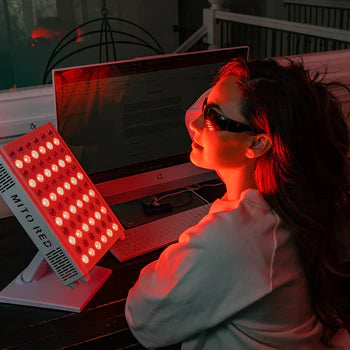
- Put on protective goggles to avoid light sensitivity.
- Position your device at the recommended distance and treat the face for 10-20 minutes.
- Begin with three to five sessions per week, gradually adjusting based on comfort.
- If skin feels irritated or tight afterward, shorten sessions or reduce frequency.
If you’re managing active skin conditions, using strong exfoliants, or unsure how RLT fits into your routine, a dermatologist can help tailor a safe plan. Using FDA-cleared, properly certified devices and following the manufacturer's instructions is the key to safe, long-term use.
Choosing the Right Red Light Therapy Device for Facial Use
Not all devices are engineered equally, and choosing one that fits your skincare goals will shape your experience. The most common facial formats include LED masks (hands-free convenience), handheld wands (precise but time-consuming), portable panels (versatile for face + body), and multi-wavelength masks designed for targeted complexion support.
When comparing devices, consider:
- Wavelength range: ideally 630-700nm for facial skin
- Irradiance and output levels (mW/cm²)
- FDA clearance and safety certifications
- Comfort and fit for regular use
- Durability and long-term reliability
What To Expect From Red Light Therapy Treatments
Red light therapy delivers cumulative benefits that build over time. Most users begin noticing changes in tone or texture after several weeks of consistent treatments, with protocols often spanning eight sessions or more, depending on skin goals.
RLT also works beautifully alongside other skincare steps rather than replacing them. Many people pair it with hydrating serums, peptides, or dermatologist-directed treatments like microneedling for enhanced results. Improvements vary by routine, device strength, and skin type. Common outcomes include calmer redness, more even tone, smoother texture, and a softer look to fine lines.
If changes feel minimal after consistent use, check distance settings, increase session frequency slightly, or speak with a dermatologist about combining modalities.
Support Your Skin With Mito Red Light
We’re believers in making facial red light sessions simple, comfortable, and consistent at home. Our MitoPRO+ and MitoADAPT 4.0 panels use a multi-wavelength blend (630, 660, 830, 850 nm) with third-party-verified output, so you can follow clear, recommended distances and times for your routine.
This article discusses published scientific research and general educational information about photobiomodulation and red light therapy. It does not constitute medical advice and does not make specific claims about Mito Red Light devices. The research cited reflects independent peer-reviewed studies and does not imply that any Mito Red Light product has been evaluated, approved, or cleared by the FDA or any other regulatory body for the diagnosis, treatment, cure, or prevention of any disease or medical condition. Individual results vary. Consult a qualified healthcare professional before beginning any light therapy protocol, particularly if you have a pre-existing medical condition, are pregnant, or are taking photosensitising medications.
Mito Red Light products are general wellness devices. They are not medical devices and have not been evaluated, cleared, or approved by the FDA or any regulatory body for the diagnosis, treatment, cure, or prevention of any disease or medical condition. Any references to peer-reviewed research or clinical studies on this page describe findings from independent scientific literature and do not imply that Mito Red Light devices have been studied, tested, or proven effective for any specific condition. Always consult a qualified healthcare provider before beginning any new wellness routine, particularly if you have a medical condition or are taking medication.
Related articles
More from the skin health & anti-aging knowledge cluster