



















Panel Series
📚 Explore the clinical evidence: Metabolic Health Clinical Evidence — peer-reviewed studies on this topic from our database of 10,000+ studies.
This article discusses published scientific research and general educational information about photobiomodulation and red light therapy. It does not constitute medical advice and does not make specific claims about Mito Red Light devices. The research cited reflects independent peer-reviewed studies and does not imply that any Mito Red Light product has been evaluated, approved, or cleared by the FDA or any other regulatory body for the diagnosis, treatment, cure, or prevention of any disease or medical condition. Individual results vary. Consult a qualified healthcare professional before beginning any light therapy protocol, particularly if you have a pre-existing medical condition, are pregnant, or are taking photosensitising medications.
Summary: Red light therapy may increase fat mobilization and support the energy, recovery, and sleep quality that contribute to sustainable weight loss. It does not burn fat on its own, but it can help mobilize fat, make a calorie deficit easier to maintain and cycle, and improve other metabolic functions, making weight loss more efficient. This article explains how red light therapy fits into an evidence-based approach to weight loss.
Last updated: May 2026
What Red Light Therapy Actually Does in Fat Cells
Red light therapy stimulates fat cells by increasing mitochondrial activity, which supports fat metabolism. It appears to promote fat mobilization by encouraging the release of stored lipids from adipocytes, making those energy stores more available to the body.
Photobiomodulation and Mitochondrial Signaling in Adipocytes
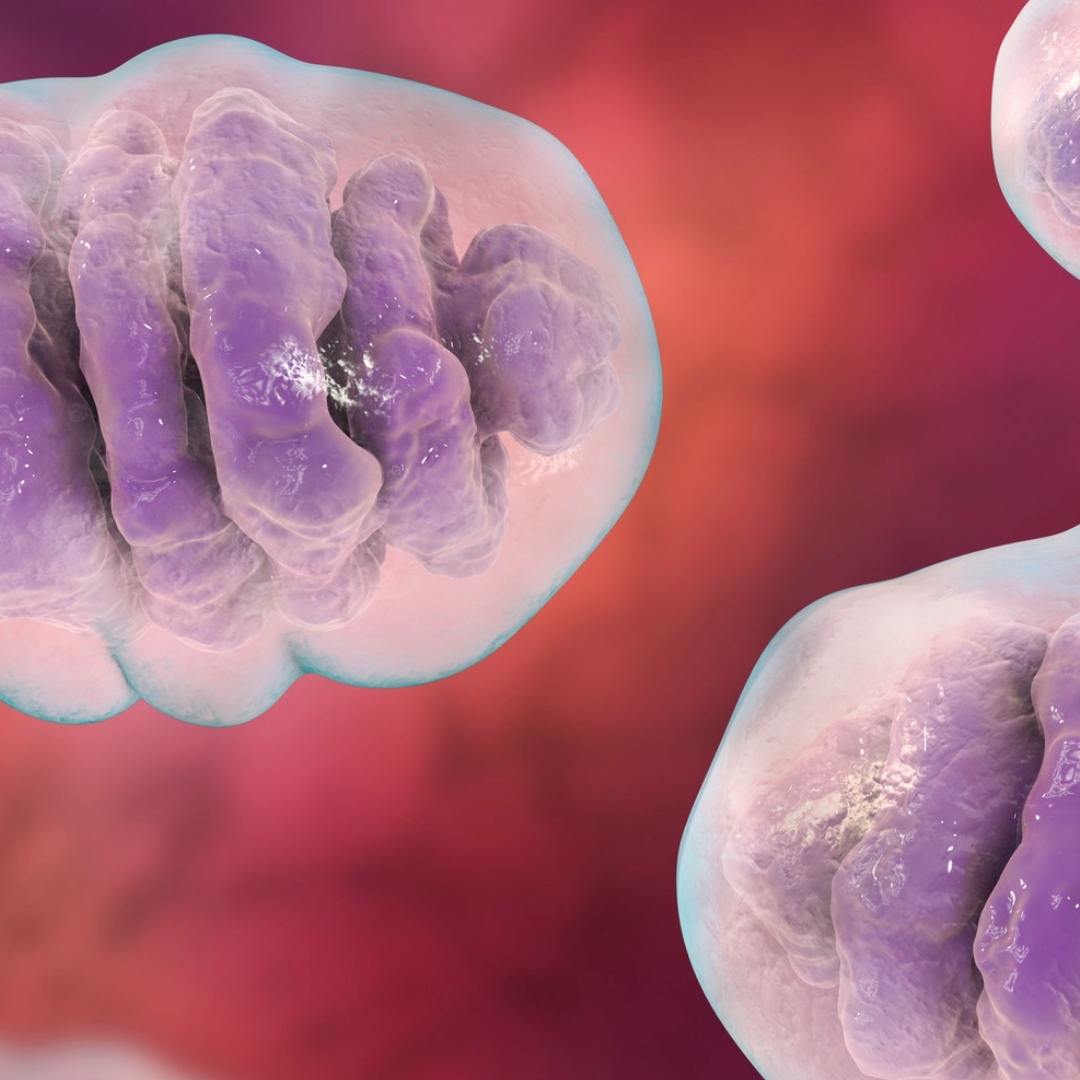
By activating mitochondria in fat cells, red light therapy increases ATP production and cellular energy signaling. This enhanced metabolic activity may support fat mobilization and downstream lipid handling, though these effects alone do not determine whether fat is ultimately lost [1].
Proposed Mechanisms of Fat Mobilization and Lipolysis
Several mechanisms have been proposed to explain how red light therapy influences fat cells. One theory suggests increased fat cell membrane permeability, allowing lipids to be released. Another proposes enhanced lipolysis through increased cAMP signaling in adipocytes, which can activate protein kinase A (PKA) and promote phosphorylation of hormone-sensitive lipase (HSL), a key enzyme involved in fat breakdown [2]. While biologically plausible, these mechanisms remain an area of active investigation.
Lipid Release, Membrane Permeability, and Enzymatic Activation
Together, these mechanisms describe how red light therapy may increase the availability of stored fat through changes in fat cell membrane permeability, lipid release, and enzymatic activation, rather than by directly destroying adipose tissue.
Why Mobilized Fat Is Not the Same as Fat Loss
Mobilizing fat does not guarantee weight loss. For released fatty acids to contribute to fat loss, they must be oxidized through sufficient metabolic demand. Without that demand, mobilized fat may be re-stored elsewhere in the body [1].
Key Ideas
-
RLT may increase fat cell membrane permeability, aiding fat mobilization
-
Elevated cAMP could enhance lipolysis through enzyme activation
-
Enzyme activation supports fat breakdown
-
The exact mechanism requires further investigation
How Exercise and Red Light Therapy Work Together
Red light therapy, when combined with exercise, shows enhanced benefits for fat loss and body composition. While red light therapy alone has limited effects on fat reduction, its role in supporting the body’s metabolic processes can amplify the outcomes of exercise. Red light therapy helps by improving recovery times, reducing muscle soreness, and promoting increased circulation, which can lead to better performance during exercise and more efficient fat loss. This combination provides a comprehensive approach to fat mobilization and weight loss.
Evidence That RLT Enhances Exercise-Induced Fat Loss
Studies suggest that when red light therapy is paired with aerobic or resistance exercise, it can enhance fat loss compared to exercise alone. One key benefit is that red light therapy can reduce muscle soreness and inflammation, which allows individuals to train harder and more consistently. Moreover, the improved mitochondrial function from red light therapy supports the body’s energy systems, enhancing endurance and promoting more fat oxidation during exercise. Some studies suggest that RLT combined with exercise may result in greater reductions in body fat and improvements in cardiometabolic health compared to exercise alone [1].
Studies Showing Improved Muscle Growth and Recovery With RLT
When combined with strength training, red light therapy has shown improved muscle hypertrophy and recovery. One study involving identical twins found that after 12 weeks of training, the twin receiving red light therapy had significantly more muscle volume gain than the non-treated twin. This improvement in muscle recovery can contribute to better workout performance and increased calorie expenditure, indirectly supporting fat loss. Red light therapy supports mitochondrial function in muscle cells, reducing recovery time between workouts and allowing athletes to perform at higher intensity levels, which leads to more effective fat burning [1][2].
When Exercise + RLT Improves Body Composition vs When It Does Not
While exercise + RLT can improve body composition, it’s not always a guaranteed result. Studies show that for optimal results, red light therapy must be combined with structured exercise routines (aerobic and resistance training). When RLT is used without exercise, the impact on body composition is much less significant. However, when paired with exercise, the benefits of RLT on fat loss and muscle gain become clearer, as exercise creates the necessary metabolic demand for fat oxidation that RLT alone cannot provide [1].
Why Exercise Provides the Oxidation Pathway RLT Alone Lacks
Red light therapy mobilizes fat but does not directly burn it. For the mobilized fat to contribute to weight loss, it must be oxidized, which requires an energy expenditure pathway. Exercise, particularly aerobic exercise, provides this necessary pathway by increasing the body’s caloric demand, allowing the mobilized fat to be burned for energy. Red light therapy supports fat mobilization, but without the oxidation process activated by exercise or a calorie deficit, the fat is not fully utilized for weight loss [2].
Key Ideas
-
RLT + exercise enhances fat loss compared to exercise alone
-
Red light therapy improves muscle growth and recovery when paired with strength training
-
Structured exercise is essential for optimizing the benefits of RLT on body composition
-
RLT aids fat mobilization, but exercise provides the necessary oxidation for fat burning

Indirect Ways Red Light Therapy Supports Sustainable Fat Loss
While red light therapy (RLT) may not directly cause fat loss, it can play a crucial supporting role in weight loss programs by improving various physiological processes. These indirect benefits, including enhanced sleep quality, muscle recovery, and blood sugar regulation, help create a more favorable environment for fat loss. By supporting overall health and improving the body’s ability to burn fat, RLT can indirectly contribute to more effective weight loss.
Improving Sleep Quality During Calorie Restriction
Sleep plays a key role in appetite regulation and metabolism. Poor sleep can increase hunger (ghrelin) and decrease satiety (leptin), making it harder to maintain a calorie deficit. Red light therapy has been shown to improve sleep quality and regulate circadian rhythms, which may support appetite control and overall weight management, particularly during calorie restriction [3].
Reducing Muscle Soreness to Maintain Training and N.E.A.T
Delayed onset muscle soreness (DOMS) can hinder exercise adherence. Red light therapy improves recovery and energy levels, which may upregulate N.E.A.T. (non-exercise activity thermogenesis), leading to higher calorie baseline expenditure. This helps maintain daily activity levels, even without structured exercise, supporting a calorie deficit and fat loss [4].
Supporting More Stable Blood Glucose and Appetite Regulation
RLT improves insulin sensitivity, helping to stabilize blood glucose and reduce hunger and cravings. By enhancing insulin response and reducing blood sugar spikes, RLT helps maintain energy levels and prevent overeating, supporting a calorie deficit and fat loss [5].
Enhancing Overall Energy Levels to Increase Daily Movement
Fatigue and soreness often hinder physical activity, especially during calorie restriction. RLT boosts mitochondrial function and energy production, reducing both fatigue and muscle soreness. This enables more physical activity, leading to greater calorie burn and improved fat loss [6].
Key Ideas
-
RLT improves sleep, supporting weight loss through better appetite regulation
-
RLT reduces muscle soreness, aiding exercise and increasing N.E.A.T.
-
RLT improves insulin sensitivity, stabilizing blood sugar and curbing appetite
-
Increased energy from RLT promotes more movement and higher calorie expenditure
What Clinical Trials Show About Body Contouring and Weight Change
Red light therapy (RLT) has generated excitement for its potential to help with body contouring and fat reduction. While clinical trials show promising results, particularly in reducing measurements of body circumference, the overall effects on body weight are more subtle. This section explores the fascinating findings from clinical trials, highlighting the potential benefits of RLT in shaping the body and supporting fat loss, while also discussing the nuances and limitations of these studies.
Circumference Reductions Without Meaningful Changes in Body Weight
Studies show circumference reductions in areas like the waist, abdomen, and thighs, where light exposure was focused with RLT. However, these reductions often do not lead to significant changes in overall body weight. This suggests that while RLT can help with body contouring, it doesn’t always translate to large shifts in body mass or BMI [1], [4].
Small but Statistically Significant Improvements vs Clinical Relevance
RLT has been shown to produce small, statistically significant reductions in body circumference. However, these changes may not have much clinical relevance in terms of health or visible appearance. A few centimeters of reduction in waist size, for example, might not have a meaningful impact on body composition [1], [4].
Why Some Studies Report Paradoxical Fat Gain With RLT
Some studies report paradoxical fat gain with RLT, which could be due to factors like improper treatment protocols, individual metabolic responses, or lack of dietary control. In some cases, RLT may increase fat storage instead of reducing it, especially when not paired with diet and exercise [4], [5].
The Difference Between Localized Changes and Whole Body Fat Loss
RLT shows localized fat loss in areas like the abdomen and thighs, where light exposure was focused, but it does not lead to whole-body fat loss. For systemic fat reduction, a combination of diet and exercise is necessary. RLT helps with targeted body contouring, but it can’t replace the full benefits of a calorie deficit or regular physical activity [1], [5].
Key Ideas
-
RLT can reduce circumference in localized areas like the abdomen and thighs, where light exposure is focused
-
Statistically significant reductions in body circumference may not lead to meaningful weight loss
-
Some studies report paradoxical fat gain, likely due to metabolic and environmental factors
-
Localized fat loss from RLT does not equate to whole-body fat loss, which requires exercise and diet for systemic fat reduction
Why Red Light Therapy Alone Has Minimal Impact on Weight Loss
Red light therapy can influence fat cells and metabolic signaling, but on its own it does not reliably produce meaningful weight loss. Clinical trials and mechanistic studies consistently show that while RLT may help mobilize fat, it lacks the final steps required for sustained fat loss. Understanding what is missing helps explain why RLT works best as a supportive tool rather than a standalone solution.
The Missing Step: Mobilization Requires Oxidation
Mobilizing fat from adipocytes is only the first step in fat loss. Once released, fatty acids must be oxidized in tissues such as muscle to contribute to energy expenditure. Without sufficient metabolic demand, mobilized fat may be re-stored. Evidence suggests that photobiomodulation does not reduce fat through local adipocyte injury, but instead influences systemic lipid metabolism, reinforcing that mobilization alone is insufficient without oxidation [7].
Why RLT Cannot Replace Calorie Deficits or Metabolic Demand
Sustained weight loss requires a mismatch between energy intake and energy expenditure. Red light therapy does not create a calorie deficit or meaningfully increase whole-body energy expenditure on its own. Without sufficient metabolic demand from movement or exercise, the physiological effects of RLT are unlikely to result in net fat loss.
How Poor Diet and Sedentary Behavior Can Reverse the Intended Benefit
When paired with poor diet quality and low activity levels, RLT may fail to support fat loss and can even favor fat storage. In a low-demand metabolic environment, mobilized fat may be rapidly re-esterified and stored again. This helps explain why RLT shows limited or inconsistent effects when used without complementary lifestyle changes.
Key Ideas
-
Fat mobilization alone does not result in fat loss without oxidation
-
RLT does not directly create a calorie deficit or replace metabolic demand
-
Poor diet quality and sedentary behavior can negate or reverse intended effects

Why Context Determines Whether RLT Helps or Hinders Weight Loss
All weight loss ultimately follows the first law of thermodynamics: energy cannot be created or destroyed, only transferred. Fat loss requires that energy expenditure exceeds energy intake over time. Red light therapy does not bypass this principle. Instead, its effects depend on the metabolic environment in which it is used. Diet quality, calorie intake, activity level, and energy balance all influence whether RLT supports fat loss. This context dependence helps explain the mixed outcomes seen across studies.
The Role of Diet Quality and Calorie Intake
Diet quality influences energy balance, which in turn determines whether mobilized fat is utilized or re-stored. Foods that are naturally satiating, higher in protein, higher in fiber, and lower in calorie density make it easier to control appetite and maintain a calorie deficit. Protein also carries a higher metabolic cost, as more energy is required for digestion and metabolism. In contrast, calorie-dense foods can quickly offset any benefit from fat mobilization, increasing the likelihood of fat being re-stored.
Why Metabolic Environment Changes the Direction of RLT’s Effects
RLT appears to amplify existing metabolic signals rather than override them. In an environment that includes regular movement, adequate protein intake, and controlled calorie intake, RLT may support fat mobilization, recovery, and metabolic efficiency. In a sedentary state with excess calories, the same signaling may favor fat preservation or storage.
Understanding Fat Redistribution and Measurement Limitations
Many body contouring studies rely on circumference measurements rather than direct assessments of fat mass. Localized changes may reflect redistribution of fat, fluid shifts, or regional metabolic effects rather than true reductions in total body fat. When body weight and body composition remain unchanged, circumference reductions should be interpreted cautiously.
Selecting Parameters That Support Fat Loss Without Promoting Fat Storage
RLT parameters that are effective in an active, calorie-controlled setting may have little effect, or even unintended effects, without those supporting conditions. Pairing RLT with appropriate diet and activity helps ensure its signaling favors fat oxidation rather than storage.
Key Ideas
-
RLT works within energy balance rather than overriding it
-
Diet quality and calorie intake influence whether mobilized fat is oxidized
-
Metabolic context determines the direction of RLT’s effects
- Circumference changes do not always reflect true fat loss
Final Thoughts on RLT as a Metabolic Support Tool
Red light therapy (RLT) can be a useful supportive tool in weight management, but it should not be relied upon as a primary method for fat loss. Its role is to complement a well-rounded approach that includes a balanced diet, regular exercise, and proper sleep. The evidence suggests RLT is most effective when used within a broader weight management strategy.
Why RLT Should Be Seen as Supportive, Not Primary, for Fat Loss
RLT has shown potential for fat mobilization and improving recovery, but it does not replace the need for calorie control or exercise. It works best as part of an overall weight management strategy, amplifying the benefits of exercise and a nutrient-rich diet, rather than acting as a primary fat-loss method.
Who May Benefit Most From Using RLT During a Weight Loss Phase
RLT may be especially helpful for individuals whose activity levels are limited by poor sleep, chronic soreness, pain, or low energy. In these cases, RLT may support recovery, sleep quality, and perceived energy, helping individuals maintain or increase general movement and non-exercise activity thermogenesis (N.E.A.T.). For those keeping calories near baseline, even modest increases in daily activity can meaningfully raise energy expenditure without the appetite stimulation often associated with high-intensity exercise.
How Future Research May Clarify Systemic vs Local Effects
Most current evidence suggests that red light therapy produces primarily localized effects when applied to specific body regions. Future research using whole-body photobiomodulation, standardized dosing, and comprehensive body composition measurements may help determine whether RLT can meaningfully influence systemic fat oxidation, metabolic efficiency, or long-term changes in energy expenditure beyond localized body contouring.
Key Ideas
-
RLT may be most helpful for individuals whose activity is limited by poor sleep, pain, low energy, or reduced sleep quality during calorie restriction
-
Supporting recovery and sleep may help increase daily movement and N.E.A.T.
-
Localized effects are better supported than whole-body fat loss
- RLT works best as a metabolic support tool rather than a primary fat-loss intervention
References:
1. Avci, P., Nyame, T. T., Gupta, G. K., Sadasivam, M., & Hamblin, M. R. (2013). Low-level laser therapy for fat layer reduction: a comprehensive review. Lasers in Surgery and Medicine, 45(6), 349-357. https://doi.org/10.1002/lsm.22153
2. Modena, D. A. O., Ferro, A. P., Guirro, E. C. D. O., Cazzo, E., & Chaim, E. A. (2023). Photobiomodulation therapy with LED stimulates mitochondrial activity in adipose tissue, evidenced by cAMP-positive antibody signals in human adipose samples. Lasers in Medical Science, 38(2), Article 238. https://link.springer.com/article/10.1007/s10103-023-03906-y
3. Zhao, J., Tian, Y., Nie, J., Xu, J., Liu, D. (2012). Red light and the sleep quality and endurance performance of Chinese female basketball players. Journal of Athletic Training, 47(6), 673-8. https://www.ncbi.nlm.nih.gov/pmc/articles/PMC3499892/
4. Ferraresi, C., Bertucci, D., Schiavinato, J., Reiff, R., Araújo, A., & Panepucci, R. (2016). Effects of Light-Emitting Diode Therapy on Muscle Hypertrophy, Gene Expression, Performance, Damage, and Delayed-Onset Muscle Soreness: Case-control Study with a Pair of Identical Twins. American Journal of Physical Medicine & Rehabilitation, 95(10), 746-757. https://doi.org/10.1097/PHM.0000000000000490
5. Magalhães, F. C., & Ferraresi, C. (2022). Photobiomodulation Therapy on the Treatment of Insulin Resistance: A Narrative Review. Photobiomodulation, Photomedicine, and Laser Surgery, 40(9), 597-603. https://doi.org/10.1089/photob.2022.0031
6. Zagatto, A. M., de Paula Ramos, S., Nakamura, F. Y., de Lira, F. S., Lopes-Martins, R. A., & de Paiva Carvalho, R. L. (2016). Effects of low-level laser therapy on performance, inflammatory markers, and muscle damage in young water polo athletes: a double-blind, randomized, placebo-controlled study. Lasers in Medical Science, 31(3), 511-521. https://doi.org/10.1007/s10103-016-1875-1
7. Jankowski, M., Gawrych, M., Adamska, U., Ciescinski, J., Serafin, Z., & Czajkowski, R. (2017). Low-level laser therapy (LLLT) does not reduce subcutaneous adipose tissue by local adipocyte injury but rather by modulation of systemic lipid metabolism. Lasers in Medical Science, 32(2), 475–479. https://doi.org/10.1007/s10103-016-2021-9
Mito Red Light products are general wellness devices. They are not medical devices and have not been evaluated, cleared, or approved by the FDA or any regulatory body for the diagnosis, treatment, cure, or prevention of any disease or medical condition. Any references to peer-reviewed research or clinical studies on this page describe findings from independent scientific literature and do not imply that Mito Red Light devices have been studied, tested, or proven effective for any specific condition. Always consult a qualified healthcare provider before beginning any new wellness routine, particularly if you have a medical condition or are taking medication.
Related articles
More from the red light therapy knowledge cluster