

















Panel Series
Combining red light therapy with the right skincare ingredients and timing can significantly amplify results — certain actives work synergistically with photobiomodulation while others should be applied after. This evidence-based guide covers the optimal sequence.
Key Takeaways:
- Red light therapy boosts cellular energy, collagen activity, and overall skin health with gentle, non-invasive wavelengths.
- Applying a serum after red light therapy can enhance hydration, firmness, and radiance.
- Avoid strong active ingredients before sessions and build a simple routine.
Red light therapy works on its own, and you don’t need a serum for it to be effective. However, the right serum, used the right way, can absolutely amplify what your sessions are already doing for collagen, hydration, and overall skin quality. The wrong one, at the wrong time, can just as easily get in the way or irritate your skin.
Red and near-infrared light target cellular energy pathways; serums deliver topical actives. When you pair them intentionally, you give your skin both the internal signal and the external support it needs to repair and renew.
Read on to learn how red light therapy benefits skin and how serums fit into that picture.
What Is Red Light Therapy?
Red light therapy (also known as photobiomodulation) is a non-invasive treatment that uses low-level red and near-infrared wavelengths to support cellular energy, collagen production, and tissue repair in the skin.
When those wavelengths hit your skin, they get absorbed by little power centers inside your cells called mitochondria. That boost in energy helps your skin do all the things it’s already designed to do — just more efficiently.
That’s why research shows that red light therapy can help with the appearance of fine lines, wrinkles, and skin elasticity with modest, measurable benefits, especially over consistent use. It also helps calm irritation and redness, and studies show it can reduce inflammation and support rosacea-prone skin.
It’s also gentle. Red and near-infrared light don’t behave like blue light or UV light — they don’t heat your skin, they don’t burn, and they carry a far lower risk of hyperpigmentation.
Whether you’re trying to soften lines, brighten dullness, recover from irritation, or just keep your skin functioning at its best, this technology works behind the scenes to support the processes your skin relies on every day.
How Can Serums Complement Red Light Therapy?
Once you understand what red light therapy does at the cellular level, it becomes way easier to see why pairing it with a good serum feels like a power couple for your skin.
Serums are lightweight formulas packed with high concentrations of active ingredients that target specific concerns like dryness, dullness, uneven tone, or early signs of aging. They’re designed to sink deeper than a moisturizer and deliver results you can actually see.
Here’s where the synergy happens: red light therapy temporarily boosts circulation and increases skin permeability, which means your skin is primed to absorb ingredients more effectively right after a session. Some research even shows that combining LED light therapy with topical anti-aging formulas can lead to better results than using either one alone.
Serums can amplify what RLT already does by doubling down on hydration, collagen support, or calming irritated skin. Think of it like giving your skin the right tools at the exact moment it’s most ready to use them.
When To Apply Serum in Relation to Red Light Therapy
Timing matters, and luckily, the rule here is super simple. For most people, serum should be applied after red light therapy.
This ensures your device’s wavelengths can penetrate the skin without anything blocking or diffusing the light. Then, once your skin is warm, energized, and more absorbent, your serum can sink in deeper and work more effectively.
Here’s the ideal routine:
-
Cleanse your face: Start with clean, bare skin so nothing interferes with light penetration.
- Prepare your skin: Prepare your skin for photobiomodulation. This helps support the skin barrier; creating the optimal environment for your red light therapy session.
-
Do your red light therapy session: Let the wavelengths reach the skin directly.
- Lock it in with moisturizer: And in the morning, finish with sunscreen to protect your fresh, glowing skin.
This layering method keeps things simple and ensures every product (and every wavelength) is working at full power.
What Serums Can You Use With Red Light Therapy?
After a red light therapy session, your skin is ready to absorb — so choosing the right serum can noticeably amplify your results. The key is to reach for ingredients that complement what RLT already does: boost hydration, support collagen, and calm irritation.
Here are the serum categories that pair especially well with red light therapy:
Hyaluronic Acid
Hyaluronic acid is a hydration powerhouse. It pulls moisture into the skin, helping everything look smoother, dewier, and more refreshed. Because red light therapy increases circulation and skin permeability, HA sinks in afterward and leaves your skin feeling plump.
Peptides
Peptides act like tiny signals that encourage your skin to firm up and rebuild itself. Red light therapy already stimulates collagen pathways, so combining RLT with peptide serums creates a supportive effect — think: firmer, healthier-looking skin over time.
Antioxidants
Antioxidants brighten, even tone, and help your skin defend itself from daily stressors. After an RLT session, your skin is already in repair mode, which makes antioxidant serums even more effective at boosting radiance and supporting long-term skin health.
Specialty Serums
If you’re targeting fine lines or loss of firmness, copper peptides can be an amazing pairing — they support elasticity and skin strength. For irritation-prone or reactive skin, calming botanicals like chamomile or centella help soothe and comfort after a light session.
Ingredients To Avoid During Red Light Therapy
Now that you know what works with red light therapy, it’s just as important to know what to skip. Some skincare ingredients play nicely with RLT, and others can stir up irritation, increase sensitivity, or work against the treatment altogether.
Retinoids and Retinol
Retinoids are powerful, but they can also make your skin more reactive. When combined with light-based treatments, they may increase sensitivity, dryness, and the risk of irritation. If you’re using prescription-strength retinoids or over-the-counter retinol, check with your dermatologist before pairing them with RLT.
Strong Acids
Exfoliating acids help with texture and brightness, but they leave the skin more vulnerable. Using them right before a light session can heighten stinging, redness, and irritation. If acids are part of your routine, space them out so they’re not sitting on your skin during RLT.
Photosensitizing Ingredients
Some ingredients — like certain botanicals, essential oils, or acne treatments — can trigger photosensitivity. On darker skin to,nes especially, this can raise the risk of hyperpigmentation. If a product is known to increase sun sensitivity, it’s best to avoid it before red light therapy.
A Quick Note on Safety
Red light therapy itself is considered gentle and generally safe for all skin types. But as dermatology research notes, long-term effects of combining LED therapies with active topicals haven’t been fully studied. When in doubt, get personalized guidance before mixing higher-strength actives into your routine.
It’s always best to perform a patch test on a small area of skin first, and then proceed with a short red light therapy session on that area to confirm whether there are any negative effects. Everyone’s skin is different, and this is the best way to know whether a certain serum is safe for you specifically to combine with RLT.
How To Optimize Your Skincare Routine With Red Light Therapy
Once you understand what to use (and what to avoid), the next step is building a routine that actually works in real life. Red light therapy fits easily into most skincare systems — the key is using it at the right point in your lineup so the light reaches your skin fully and your products can work harder afterward.
A simple, effective routine looks like this:
- Cleanse: Start with clean, bare skin. This ensures nothing blocks the wavelengths from reaching your cells.
- Prime: Prepare your skin for photobiomodulation. This helps support the skin barrier; creating the optimal environment for your red light therapy session.
-
Red Light Therapy Session: Use your device according to your recommended protocol. Think of this step as “priming” your skin — increasing circulation, improving permeability, and setting the stage for better absorption.
- Moisturizer: Lock everything in with a nourishing moisturizer to seal hydration.
- Sunscreen (AM use): If it’s daytime, finish with SPF. Fresh collagen is more UV-sensitive, so this step protects your progress.
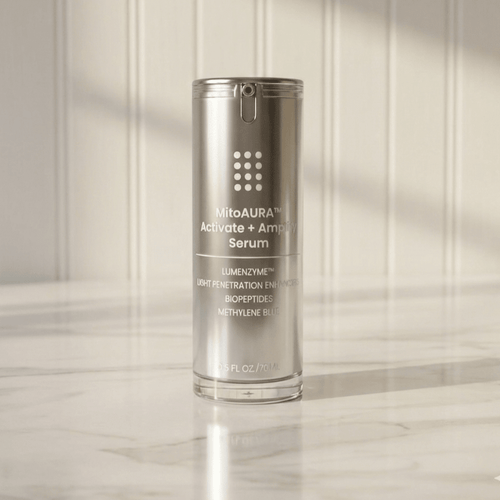
You can also layer in supportive products as needed. If you're building this into a full facial routine, the MitoAURA™ 3-Step System follows the same cleanse-then-treat logic as this guide: cleanse, prime, then seal. MitoAURA™ Prime Pre-LED Serum is formulated specifically for pre-session use, it primes the skin with lightweight actives before your device rather than sitting on top and diffusing the light. After your session, MitoAURA™ Seal Post-LED Moisturizer locks that hydration in while your skin is still warm and receptive. Start with the MitoAURA™ Cleanser for a clean base, and if you'd rather not build the routine ingredient by ingredient, all three steps come together in the MitoAURA™ Complete System.
Monitoring Results and Adjusting Your Routine
Red light therapy works best when you use it consistently and pay attention to how your skin responds. Small adjustments over time can make a noticeable difference in results.
Track Your Progress
Take progress photos every week or two under the same lighting. Pay attention to hydration, texture, firmness, and evenness — these tend to shift first.
Note how your skin feels after sessions: calmer, smoother, or more balanced.
Start Gradually and Build Up
Most people do well starting with two or three sessions per week, then increasing frequency if their skin tolerates it. Consistency matters more than long sessions. And because the ideal dosage is still being studied, tuning into your own skin’s response is key.
Know What’s Normal
A little warmth or temporary redness right after a session can be normal. But if you experience ongoing irritation, increased sensitivity, or discomfort:
- Pause the actives you’re using
- Check whether any ingredients might be photosensitizing
- Reduce session time or frequency
- If symptoms persist, touch base with a dermatologist
The Bottom Line
Using the right serums and skincare products alongside your red light therapy sessions can help you achieve optimal results — but it’s important to understand what to use and what to avoid. Ingredients like retinoids should be approached with caution, while ingredients like hyaluronic acid can support skin health and complement the benefits of red light.
For at-home red light therapy devices and products you can rely on, shop Mito Red Light.
This article discusses published scientific research and general educational information about photobiomodulation and red light therapy. It does not constitute medical advice and does not make specific claims about Mito Red Light devices. The research cited reflects independent peer-reviewed studies and does not imply that any Mito Red Light product has been evaluated, approved, or cleared by the FDA or any other regulatory body for the diagnosis, treatment, cure, or prevention of any disease or medical condition. Individual results vary. Consult a qualified healthcare professional before beginning any light therapy protocol, particularly if you have a pre-existing medical condition, are pregnant, or are taking photosensitising medications.
Mito Red Light products are general wellness devices. They are not medical devices and have not been evaluated, cleared, or approved by the FDA or any regulatory body for the diagnosis, treatment, cure, or prevention of any disease or medical condition. Any references to peer-reviewed research or clinical studies on this page describe findings from independent scientific literature and do not imply that Mito Red Light devices have been studied, tested, or proven effective for any specific condition. Always consult a qualified healthcare provider before beginning any new wellness routine, particularly if you have a medical condition or are taking medication.
Related articles
More from the skin health & anti-aging knowledge cluster