Does Red Light Therapy Help With Inflammation?

Does Red Light Therapy Help With Inflammation?

Key Takeaways

  • Red light therapy can support cellular energy, circulation, and the body’s natural healing response.
  • Research supports red light therapy as a safe, non-invasive tool for inflammation management routines.
  • Red light therapy works best as a supportive treatment alongside healthy movement, recovery habits, and medical guidance.

At Mito Red Light, we’re all about the science behind red light’s many benefits.

This guide breaks down how red light therapy works in the body, what the research says about inflammation, and what to know about red light for inflammation management routines.

What Is Red Light Therapy?

Red light therapy is a non-invasive treatment that uses low-level red and near-infrared light, typically in the 630-850 nanometer range, to stimulate cellular processes that support healing and recovery.

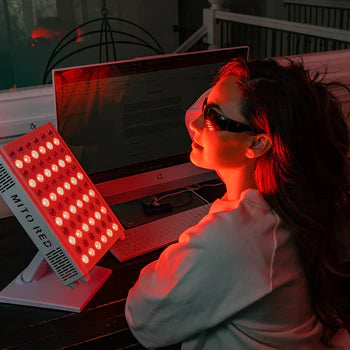
You’ll see it delivered through devices like red light panels, pads, handheld units, and full-body systems. These devices are designed to be easy to use, pain-free, and suitable for both clinical settings and at-home routines.

The key idea behind red light therapy is photobiomodulation. That’s the process where specific wavelengths of light interact with cells to improve how they function — especially when it comes to recovery, circulation, and inflammation regulation. 

Red and near-infrared light don’t heat or damage tissue. Instead, they work by supporting the body’s natural repair systems.

How Red Light Therapy Supports Inflammation Management Routines

Inflammation often starts at the cellular level. When cells are stressed or damaged, they produce inflammatory signals, struggle to generate energy efficiently, and don’t repair as quickly as they should.

Red light therapy helps interrupt that cycle.

When red and near-infrared light reach the body, they’re absorbed by the mitochondria — the part of the cell responsible for producing energy. This boosts ATP production, which gives cells more fuel to do their job properly. At the same time, red light therapy can support local blood flow, helping deliver oxygen and nutrients while clearing out metabolic waste.

Together, these effects may help calm inflammatory signaling, reduce oxidative stress, and support tissue recovery. That’s why people often notice less swelling, reduced stiffness, and improved comfort over time.

Safe and Effective Use of Red Light Therapy for Inflammation Management Routines

Consistency and correct use are what make red light therapy effective as part of an inflammation management routine.

Most people benefit from regular sessions several times per week, targeting the affected area directly. Session length and distance depend on the device, but treatments are typically brief, comfortable, and easy to fit into daily life.

Red light therapy is widely considered safe and has a very low risk profile when used as directed. Side effects are uncommon and usually mild.

At-home devices vary significantly in output and build quality, which is why device design matters. Medical-grade engineering and proper wavelength delivery help ensure you’re getting therapeutic light levels without unnecessary risk. For effective, science-backed red light therapy devices you can trust, shop Mito.

Limitations and Considerations of Red Light Therapy

While the evidence is promising, red light therapy isn’t a magic fix for every inflammatory condition.

Many studies are still relatively small or short-term, and optimal dosing protocols continue to be refined. Results can vary based on the condition being treated, how long inflammation has been present, and the strength and consistency of the device used.

Red light therapy is best viewed as a supportive therapy. It can complement other treatments and lifestyle changes, but it shouldn’t automatically replace prescribed medications or medical care unless advised by a healthcare professional.

Understanding these limits helps set realistic expectations — and leads to better outcomes.

Reliable Red Light Therapy With Mito

At Mito Red Light, we design our devices around what the science actually supports. Our ESPEO™ multi-wavelength LEDs are engineered to deliver clinically relevant red and near-infrared light with consistent output, verified specifications, and IEC-certified safety standards.

That focus on precision and transparency is what allows red light therapy to move from trend to tool — something you can rely on as part of a long-term inflammation and recovery routine.

DISCLAIMER : Mito Red Light devices are Class II wellness devices aimed at affecting the body through supporting cellular function. The information provided in this article and on this site is for educational purposes only and is not intended to imply effectiveness of Mito Red Light devices for any specific application. The information provided in this article and on this site is not intended to diagnose, treat, cure, or prevent any disease, is not a substitute for consultation with a licensed medical provider and should not be construed as medical advice. Click here to read our article on potential contraindications of red light therapy.

FAQs

How does red light therapy reduce inflammation?

Red light therapy helps reduce inflammation by boosting cellular energy production and improving blood flow, which together calm inflammatory signaling and support tissue repair.

What inflammatory conditions can benefit most from red light therapy?

Red light therapy is commonly used for joint health, muscle recovery, skin, and general wellness.

Is red light therapy safe for long-term use?

Yes. When used properly, red light therapy is considered safe for long-term use with very few reported side effects.

How often should red light therapy be used to see results?

Most people use red light therapy several times per week, with benefits often becoming noticeable within a few weeks of consistent use.

Can red light therapy replace traditional anti-inflammatory treatments?

Red light therapy can complement other treatments, but it should not replace medications or medical care.

Sources:

What You Should Know About Red Light Therapy | University Hospitals

Treating Inflammation and Pain with Red and Near Infrared Light Therapy | Degree Wellness

5 health benefits of red light therapy | UCLA Health